

Going international sure sounds like a lot of fun, be it for business or for pleasure. The instant images in your mind might be those of mountainous countryside, beautiful beaches and snowy landscapes, depending on where your destination might be.
However, when it comes to doing business, venturing overseas could also prove to be a terrible headache and heartache.
First of all, we must consider all the differences. Culture, language, time zones, law and others. We would be dealing with totally new people, government, clients and customers. All our networking ‘cables’ and other privileges that we might have been enjoying in our own country all this while is rendered partly or totally useless once we are dealing outside the country.
Except, of course, for money. Because money (in its different currencies), speaks the same language. So, if you have plenty of it, then congratulations. At least you’re off to a good headstart.
What are the important checklists to tick before you decide to expand your territory?
1. Product or Services
Your product or services that your business is selling must be of high demand. Obviously, since that is the number one factor for any business to flourish, hence necessitating further expansion to be able to offer the said product or service on a wider scale, whether regionally or globally.
2. Copyright and Trademark
Your product or service might also have competitors when it comes to other territories. So you must consider whether by offering it to the wider market would breach any existing copyright and trademarks. And also, if there’s none, then whether your product or service has been properly patented, to protect them against other companies claiming proprietary rights later on.
3. Territorial Issues
Next, you also have to consider whether it is really necessary to open up a physical office overseas. Is it possible to just supply the product or service to other countries from Malaysia? If yes, then a lot of headaches can be saved, since your troubles and worries would then be basically confined and limited to general transportation and logistics issues.
4. Physical Presence
If it is of paramount importance to actually maintain a physical office overseas, then the next thing would be to consider these additional issues:-
(a) Entity
You have to consider (in terms of company and tax laws), which is the most desirable form of entity to maintain. It can be a totally new company, a joint venture with your existing company, or a branch office et cetera. Each has its own legal and tax consequences.
(b) Location
Location is equally important. Each country basically has four types of important business locality; the capital, the administrative centre, the business centre and the seaports (or airports). For example, Malaysia has Kuala Lumpur, Petaling Jaya, Putrajaya and Port Kelang (or Sepang). When in Turkey, you would be torn between Istanbul and Ankara. You have to decide which location fits your business most.
(c) Laws
Next, you have to consider all the laws. This includes all the taxes and exemptions. And whether there are any restrictions or special obligations on foreign employment, expertise and machinery. And also have to consider the legal language (which is often the same as the official language). This is important; you might be opening offices in non-English speaking countries and would end up having to spend a significant amount in translation fees.
5. Others
Of course, these are merely the essentials. There are other things such as food, people, religion et cetera that will add adventure (or headache, depending on how you look at it) which would inevitably be the by-products of being an expat. You might want to join a support group or attend a diaspora of your fellow countrymen if one is available.
Those are the basic things that comes together with the decision of venturing into another territory, whether regional or global.
It is pertinent to note that the same is also true when it comes to foreigners wanting to open a business in Malaysia. It works both ways, with primarily the same concerns.
We at CSQ tries to be the ultimate One Stop Centre to bridge and address these worries and concerns. For foreigners who want to set up an office in Malaysia, we have the means to assist them from A – Z. We maintain close working relationships with MITI and MATRADE (Malaysian Trade Authorities) in order to facilitate smooth cross-border transactions.
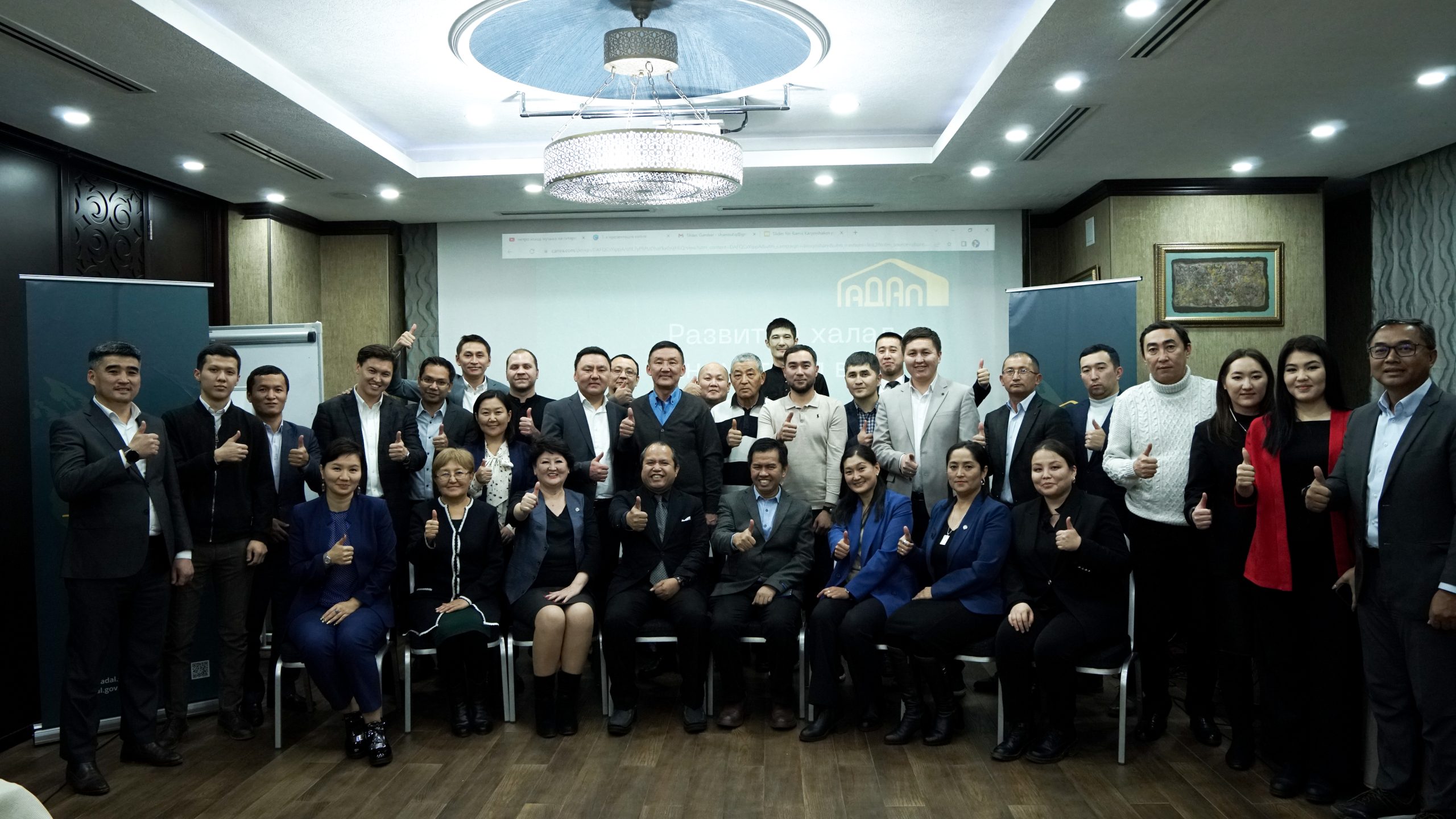
In fact, just late last year we were instrumental in organizing a Business Networking and Matching Session between Kazakhstan and Malaysian entrepreneurs. We brought in about forty successful businessmen from various fields. And this year we are planning to bring a similar business entourage from Turkiye as well to meet their Malaysian counterparts.
For Malaysian businessmen who intend to venture out overseas, we can also assist. We have vast experience and the right contacts in countries like Kazakhstan, Kyrgyzstan and the other Russian Blocs. We also maintain a branch office in Nur-Sultan (previously Astana), the capital city of Kazakhstan.
We are currently big in dealing with the Halal Markets and Islamic Banking in those CIS (Commonwealth of Independent States) countries. Even Motherland Russia is currently interested in these Islamic and Middle East markets. So, we foresee interesting market growth in this niche area.
For more light articles on Islamic Banking for your leisure armchair reading, please browse our earlier articles in this blog archive. For further in-depth advice, contact our lawyers.
p/s: CSQ Halal Industry Seminar at Bishkek Kyrgyz

